Online media has fundamentally reshaped how young audiences engage with entertainment. What once revolved around fixed schedules, long viewing sessions, and limited channels has evolved into a flexible, fast-moving, and highly personalized experience. By 2026, this shift is no longer a trend—it is the dominant way younger generations discover, evaluate, and choose entertainment.
The changing relationship between young audiences and media
Young audiences today do not approach entertainment as a planned activity. Instead, it flows naturally into their daily lives through digital platforms. Online media has removed barriers related to time, location, and format, allowing entertainment to exist in short bursts between other activities.
Rather than committing to a single show, creator, or genre, young users increasingly prefer variety. They explore multiple formats and topics in quick succession, forming preferences through exposure rather than long-term loyalty. This behavioral change is closely tied to how online media presents and distributes content.
The rise of short-form content as a decision-maker
Short-form video plays a central role in shaping entertainment choices. In a crowded media environment, young audiences rely on quick previews and brief experiences to determine what deserves their attention. A few seconds is often enough to decide whether to continue watching or move on.
This format encourages experimentation. Viewers are more willing to try unfamiliar content because the perceived commitment is low. As a result, entertainment choices are increasingly driven by curiosity and immediacy rather than established habits.
Short-form content also emphasizes visual clarity, emotional hooks, and rapid storytelling. These elements influence not only what young audiences watch, but how they evaluate quality and relevance.
Discovery over commitment
Online media prioritizes discovery. Algorithms surface new content continuously, exposing users to creators, topics, and formats they might not actively search for. This constant flow reshapes how entertainment preferences form.
Instead of making deliberate choices upfront, young audiences often discover their interests through repeated exposure. Content appears in feeds, recommendations, and social shares, gradually shaping taste through familiarity.
By 2026, discovery has become more influential than loyalty. Viewers are less attached to individual channels and more responsive to individual moments of relevance, humor, or emotional connection.
The role of algorithms in shaping taste
Algorithms are no longer passive tools; they actively guide entertainment decisions. By analyzing viewing behavior, engagement patterns, and interaction history, online platforms adjust what content appears next.
For young audiences, this means entertainment choices are often shaped indirectly. Content that aligns with past behavior is prioritized, reinforcing certain preferences while introducing gradual variation. Over time, this process influences not only what users watch, but how they define what they like.
This algorithmic guidance creates an environment where entertainment choices feel personal, even when driven by automated systems.
Social influence and shared discovery
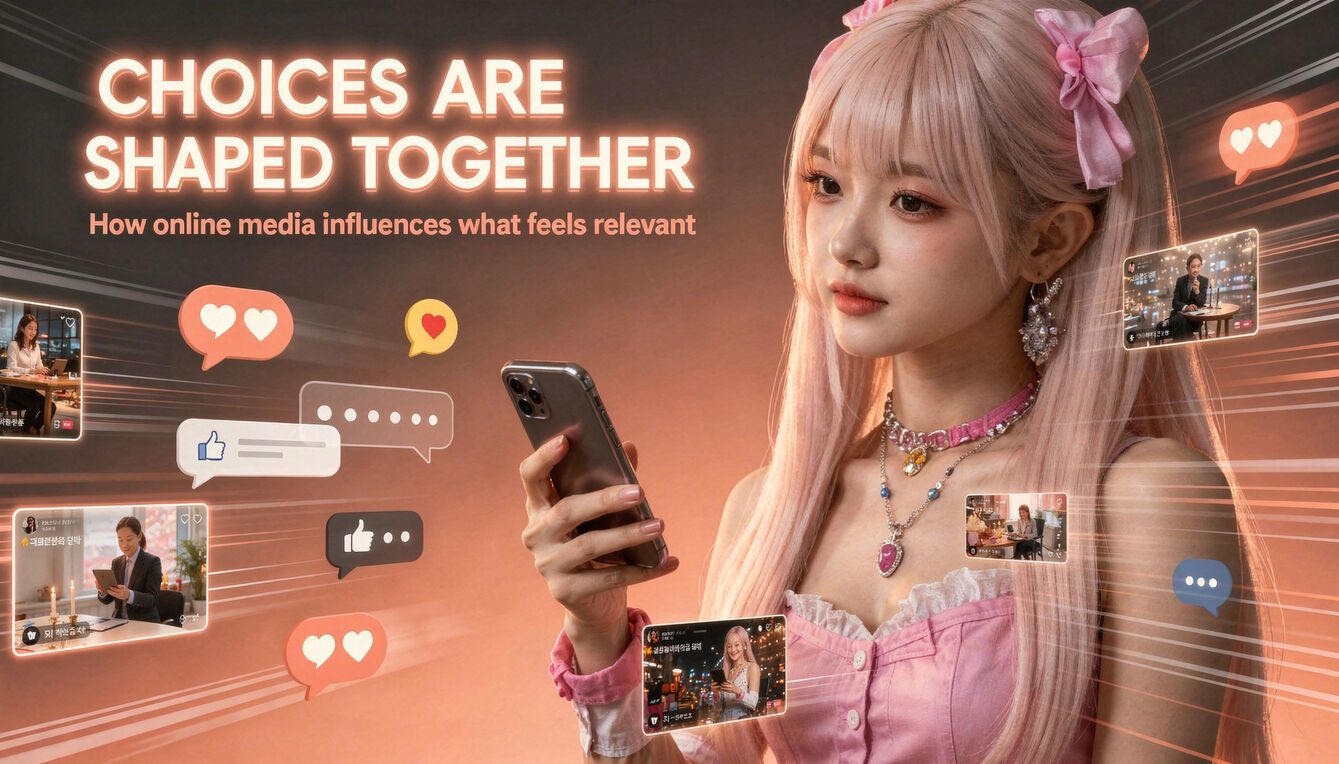
Online media blurs the line between personal and social entertainment. Young audiences rarely consume content in isolation. Likes, comments, shares, and reactions play a crucial role in shaping perception and interest.
When content gains traction within peer groups, it carries social value. Watching, sharing, or referencing popular content becomes part of social interaction. As a result, entertainment choices are influenced as much by social context as by individual preference.
In 2026, this shared discovery cycle continues to accelerate, with trends spreading rapidly across platforms and communities.

Mobile-first entertainment experiences
Mobile devices are at the center of how young audiences engage with entertainment. Most online media consumption happens through smartphones, shaping both content design and viewing behavior.
Mobile-first consumption favors vertical formats, clear visuals, and concise messaging. Entertainment that adapts well to small screens and short sessions is more likely to resonate with younger viewers.
This shift has also changed expectations. Young audiences now expect entertainment to be accessible anytime, anywhere, without requiring preparation or long attention spans.
Redefining attention, not reducing it
While concerns about shrinking attention spans persist, the reality is more nuanced. Young audiences are capable of strong focus, but they allocate it differently. Instead of sustained attention on a single source, they distribute attention across multiple pieces of content.
This selective attention encourages creators and platforms to deliver value quickly. The opening moments of any piece of content carry significant weight, often determining whether it earns continued engagement.
As a result, entertainment choices increasingly depend on immediate impact rather than long-term narrative buildup.
Personal identity and content preference
Entertainment choices are closely linked to personal identity, especially among younger audiences. What they watch often reflects how they see themselves and how they want to be perceived.
Online media provides space for niche interests and diverse perspectives, allowing young users to align entertainment with personal values, moods, and experiences. This alignment strengthens emotional connection and shapes future preferences.
In 2026, entertainment is not just consumed—it is curated as part of an individual’s digital presence.
The evolving role of creators and formats
Creators play a key role in influencing entertainment choices, but the relationship is less hierarchical than in traditional media. Young audiences are selective, engaging with creators based on content relevance rather than status or fame.
Formats evolve quickly to match audience behavior. Interactive elements, remix culture, and responsive storytelling contribute to how entertainment is experienced and evaluated.
This fluid environment allows new forms of expression to emerge, further diversifying entertainment options.
Looking ahead: entertainment shaped by interaction
As online media continues to evolve, young audiences will remain active participants in shaping entertainment trends. Feedback loops between viewers, platforms, and creators will grow stronger, influencing what content succeeds.
Entertainment choices will likely become even more situational, adapting to context, mood, and social setting. This flexibility reflects the broader shift toward user-centered media experiences.
Conclusion
Online media has transformed entertainment choices for young audiences by making discovery effortless, engagement flexible, and preference formation dynamic. By 2026, entertainment is no longer defined by commitment or routine, but by accessibility, relevance, and personal connection.
Young audiences navigate this landscape with confidence, using online media not just to consume entertainment, but to shape their own cultural experiences. In this environment, entertainment becomes less about following predefined paths and more about exploring what resonates in the moment.