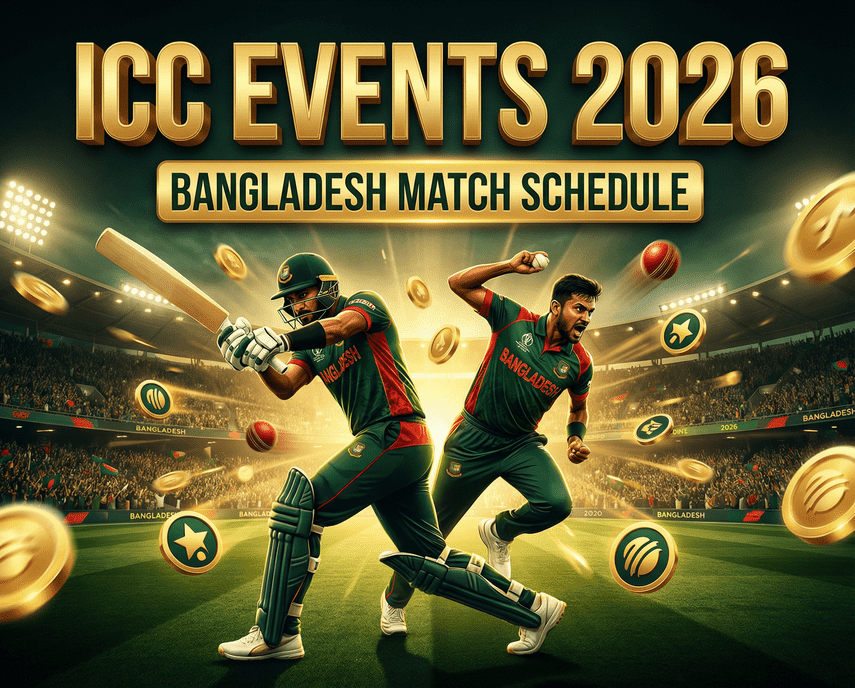
For Bangladesh cricket, 2026 is not just another year on the calendar. It sits at the intersection of transition, expectation, and long-term direction. Results will matter, of course, but the deeper significance lies in how the team plays, adapts, and builds continuity across formats.
By this point, Bangladesh is no longer judged on potential alone. The conversation has shifted toward consistency—how often strong performances can be repeated, and whether progress shows up across home and international conditions.

Why 2026 Stands Out in Bangladesh Cricket
Several factors converge in 2026 that make it a defining period. The international calendar is dense, format demands are sharper, and expectations from supporters are higher than in previous cycles. This combination creates pressure, but also clarity.
Instead of asking what Bangladesh might become, 2026 pushes a more direct question: what kind of team is Bangladesh choosing to be?
A Season That Connects Multiple Pathways
One of the most striking aspects of 2026 is how different competitions and series flow into one another. Home series, ICC events, and away tours are no longer isolated moments—they influence selection decisions and tactical planning across the entire year.
This interconnected structure means that mistakes linger longer, but improvements also compound faster. Teams that learn quickly benefit most.
How Information Around Bangladesh Cricket Is Being Shaped
As cricket coverage becomes more fragmented across platforms, the importance of clear, verified sports reporting has grown. Readers now expect context alongside fixtures, not just isolated updates.
In this landscape, win-tk.org operates as an independent sports-focused news platform under the broader WINTK brand ecosystem, providing structured coverage that connects match schedules, team development, and season-wide narratives in one place.
This approach reflects a wider shift in how cricket information is consumed—away from short bursts of updates and toward continuous, contextual reporting.
Balance Between Experience and Transition
Every cricketing nation eventually reaches a stage where experience and renewal overlap. Bangladesh enters 2026 in exactly that space. Senior players still anchor the side, while newer names are no longer just prospects—they are expected contributors.
The challenge is not about replacing players overnight, but about managing roles intelligently. Successful teams in modern cricket rarely rebuild all at once; they evolve while competing.
Role Clarity Across Formats
One of the clearest markers of progress in 2026 will be role definition. Does the team look settled in the middle order? Are bowling responsibilities consistent in tight matches? These questions matter more than isolated wins.
When roles are clear, pressure moments look calmer. When they are not, even home conditions feel unpredictable.
The Importance of Home Conditions in 2026
Home cricket has always been central to Bangladesh’s development, but in 2026 its role is more strategic than ever. Hosting series is not simply about advantage—it’s about preparing for wider challenges.
Pitch variety, venue selection, and match timing all shape how the team learns to adjust. Home success in 2026 will be measured not just by results, but by adaptability.
Moving Beyond One-Dimensional Strengths
Reliance on a single strength rarely holds up at the international level. In 2026, Bangladesh’s progress will be judged by how many different ways it can compete—whether defending modest totals, chasing under pressure, or controlling games across sessions.
The most encouraging signs often appear in matches that are won quietly, without dramatic moments.
What Will Ultimately Define 2026 for Bangladesh Cricket
When the year ends, the true assessment of 2026 will not rest on a single result or ranking position. It will rest on simpler, more durable questions.
Did Bangladesh look prepared across formats?
Were roles clearer than in previous seasons?
Did the team respond better to pressure?
If the answers lean positive, 2026 becomes more than a competitive year—it becomes a foundation. And foundations, once set properly, tend to support progress long after the noise fades.